
30개국 이상에 제품을 수출합니다.
Jul 15,2026 / News
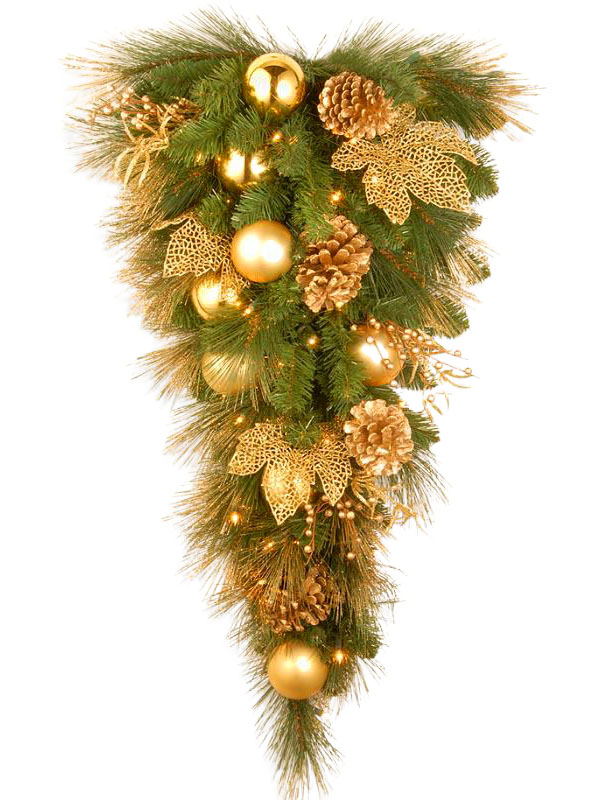
크리스마스 가랜드를 장식하는 가장 빠른 방법 이 순서대로 3겹으로 작업하는 것입니다. 먼저 조명을 집어넣고(다른 어떤 것이 녹지에 닿기 전에) 느슨한 대각선 나선형으로 리본을 추가한 다음 장식품, 솔방울 또는 베리 송이와 같은 곡괭이를 8~10인치 간격으로 배치하고 아래에서 볼 수 있도록 바깥쪽을 향하도록 돌립니다.
레이어를 순서대로 배치하지 않는 것이 가장 흔한 실수입니다. 조명이 배선을 덮기 전에 리본과 장식품을 추가하면 조명이 녹지를 통해 빛나지 않고 묻히게 됩니다.
맨 인공 화환은 녹색 플라스틱 길이처럼 보입니다. 그것과 벽난로 위에 드리우거나 계단에 감아 놓은 빛나는 화환과의 차이점은 다음과 같습니다. 다섯 가지 재료와 한 가지 작업 순서 . 다음은 전문 휴가 스타일리스트가 그 모양을 만드는 방법과 "괜찮음"과 "이웃이 어디서 구했는지 물어봅니다"의 차이를 만드는 세부 사항(전력량, 간격, 리본 너비)을 정확하게 보여줍니다.
무엇이든 장식하기 전에 기본 화환이 앞으로 작업할 양을 결정합니다. 여기서 대부분의 키워드 혼동이 발생합니다. "인공 크리스마스 화환"과 "조명이 달린 크리스마스 화환"은 서로 다른 두 가지 시작점을 설명하며, 잘못된 것을 선택하면 나중에 작업을 취소하는 것을 의미합니다.
| 유형 | 최고의 대상 | 꾸미는 시간 | 일반적인 비용(9피트) |
| 조명이 꺼진 인공 화환 | 완전한 창의적 제어, 매년 재사용 가능 | 9피트당 45~75분 | $15~$35 |
| 사전 조명 인공 화환 | 가장 빠른 설정, 일관된 조명 간격 | 9피트당 20~35분 | $30~$70 |
| 갓 잘라낸 소나무/전나무 화환 | 리얼 향, 원시즌 사용 가능 | 9피트당 60~90분 | $25~$60 |
| 배터리 사전 조명(무선) | 출입구, 우편함, 근처에 콘센트 없음 | 9피트당 20~35분 | $35~$80 |
대부분의 가구에서는 미리 조명된 인공 화환 실용적인 출발점입니다. 가장 까다로운 레이어(라이트 와이어 실행 및 숨기기)를 제거하고 수년간 재사용할 수 있습니다. 조명이 없는 인공 화환을 이미 소유하고 있다면 자신만의 조명을 추가하는 것이 간단하며 다음 섹션에서 다룹니다.
와이어가 화환의 와이어 "척추"에 가까운 녹지 내부 깊숙이 있어야 하기 때문에 조명이 먼저 켜져서 다른 모든 것이 위로 올라가면 사라집니다. 마지막에 조명을 추가하면 일부 화환이 끈 조명이 있는 것처럼 보이는 이유입니다. 누워 빛나는 대신에 내부에서 그들.
배터리 팩과 플러그인: 화환이 계단 난간, 근처에 콘센트가 없는 벽난로, 우편함을 따라 달리는 경우 타이머 기능이 있는 배터리로 작동되는 LED 세트를 사용하세요. LED는 또한 백열등 미니보다 더 시원하게 작동하는데, 이는 직물, 나무 장식 또는 말린 꽃에 닿는 화환에 중요합니다.
리본은 화환에 컬러 스토리와 움직임을 부여하는 요소입니다. 여기서 가장 흔한 실수는 색상이 아니라 색상입니다. 너비와 수량 . 얇은 리본(1.5인치 미만)은 두꺼운 녹색 식물에 비해 사라지는 경향이 있으며 대부분의 사람들은 필요한 양을 과소평가합니다.
빠른 수학: 완전하고 계단식 룩을 연출하려면 화환 길이의 2.5~3배에 해당하는 리본을 계획하세요.
느슨한 대각선 나선: 한쪽 끝에서 시작하여 10~14인치마다 화환 주위에 리본을 느슨하게 감아 꽉 잡아 당기지 않고 늘어지게 합니다. 촘촘한 나선은 화환의 질감을 납작하게 만듭니다. 느슨한 것들은 녹지가 여전히 보이도록 놔둔다.
계단식 활 클러스터: 전체 길이를 따라 나선형으로 리본을 묶는 대신 드레이프 화환의 자연스러운 높은 지점(예: 벽난로에 있는 각 장식의 꼭대기)에 3-4개의 넉넉한 당김 활을 묶고 꼬리를 12-18인치 정도 늘어뜨립니다. 이것은 전체적으로 리본을 덜 사용하고 특히 벽난로의 경우 더 빠르지만 직선 계단 난간에서는 잘 작동하지 않습니다.
"픽"은 장식용 픽, 솔방울 픽, 베리 클러스터, 인조 유칼립투스 또는 꽃 줄기 등 화환에 직접 밀어 넣은 와이어 줄기가 있는 모든 것을 가리키는 무역 용어입니다. 이것은 마지막 레이어이며 개인 스타일을 위한 공간이 가장 많은 레이어입니다.
각 곡괭이의 와이어 줄기를 수직이 아닌 비스듬히 밀어 넣어 수직으로 튀어나오지 않고 인조 바늘 사이에 안착되도록 합니다. 모든 픽을 약간 바깥쪽과 아래쪽을 향하도록 돌립니다. 화환은 거의 항상 아래(벽난로 위, 출입구 위, 계단을 따라)에서 보이므로 똑바로 또는 위를 향하는 모든 것은 방에서 보이지 않습니다.
홀수는 자연수로 읽혀집니다: 클러스터는 완벽하게 균일한 간격으로 간격을 두는 대신 3~5개의 그룹으로 선택합니다. 균일하게 배치된 단일 장식품은 대량 생산된 것처럼 보입니다. 불규칙한 클러스터는 손으로 모은 것처럼 보이며 실제 채집된 녹지가 실제로 떨어지는 방식에 더 가깝습니다.
같은 3겹 방식이라도 화환을 어디에 걸느냐에 따라 조금씩 달라지는데, 지점마다 중력과 보는 각도가 다르기 때문이다.
직선보다는 부드러운 장식으로 드레이프하십시오. 중앙을 고정하고 양쪽이 약간 내려가도록 한 후 끝 부분이 다시 올라가도록 하십시오. 테이프 대신 3M Command 후크 또는 벽난로 클립을 사용하십시오. 이렇게 하면 페인트가 벗겨지거나 오래된 벽난로를 마감할 수 있습니다. 가장 무거운 곡괭이와 가장 큰 활을 중앙 장식의 낮은 지점에 집중하십시오. 이 지점은 자연스럽게 눈이 먼저 닿는 곳입니다.
꽃무늬 철사나 지퍼 타이를 뒤쪽으로 통과시켜(계단 측면에서 보이지 않음) 매 12~18인치마다 화환을 난간에 고정하고 계절이 지나도 자체 무게로 인해 처지지 않을 정도로 화환을 팽팽하게 당깁니다. 계단 화환은 측면과 아래에서 동시에 보이기 때문에 픽을 아래쪽이 아닌 바깥쪽으로 향하게 유지하십시오.
이러한 소재는 날씨에 가장 많이 노출되고 취급되기 때문에 배터리로 작동되는 LED 조명과 내후성 리본(예: 실외 등급 벨벳 또는 방수 처리된 패브릭)은 실내 전용 소재보다 한 시즌 내내 더 잘 유지됩니다.
9피트 크리스마스 화환에는 몇 개의 조명이 필요합니까?
9피트당 100개의 미니 조명으로 구성된 기준선은 균일한 적용 범위를 제공합니다. 더 조밀하고 더 빛나는 모양을 얻으려면 9피트당 150을 사용하십시오. 배터리로 작동되는 LED 세트는 일반적으로 50개 또는 100개 가닥으로 제공되므로 50개 세트 2개가 9피트 화환을 편안하게 덮습니다.
미리 불이 켜지지 않은 화환에 조명을 추가할 수 있나요?
그렇습니다. 이것은 가장 일반적인 접근 방식 중 하나입니다. 왜냐하면 조명이 없는 화환은 일반적으로 더 저렴하고 더 많은 유연성을 제공하기 때문입니다. 위의 단계에 따라 리본이나 픽을 추가하기 전에 가벼운 와이어를 지그재그 패턴으로 화환 깊이에 엮습니다.
인공 크리스마스 화환은 얼마나 오래 지속되나요?
직사광선과 습기를 피해 상자나 가방에 넣어 적절하게 보관한 고급 인공 화환은 녹색 잎이 퇴색되거나 떨어지기 시작하기 전까지 일반적으로 8~10시즌 동안 지속됩니다. 사전 조명 버전은 일반적으로 녹지 자체가 닳기 전에 가벼운 스트링 교체가 필요합니다.
시즌이 끝난 후 장식된 화환을 보관하는 가장 좋은 방법은 무엇입니까?
매년 리본을 모두 제거하고 선택하는 대신, 많은 사람들은 완전히 장식된 화환을 남겨두고 칸막이가 있는 대형 화환 보관 가방이나 상자에 보관합니다. 이렇게 하면 더 많은 저장 공간이 필요한 대신 다음 시즌에 장식 시간을 크게 절약할 수 있습니다.
Shaoxing Hongxin Gift Co., Ltd. ALL RIGHTS RESERVED.