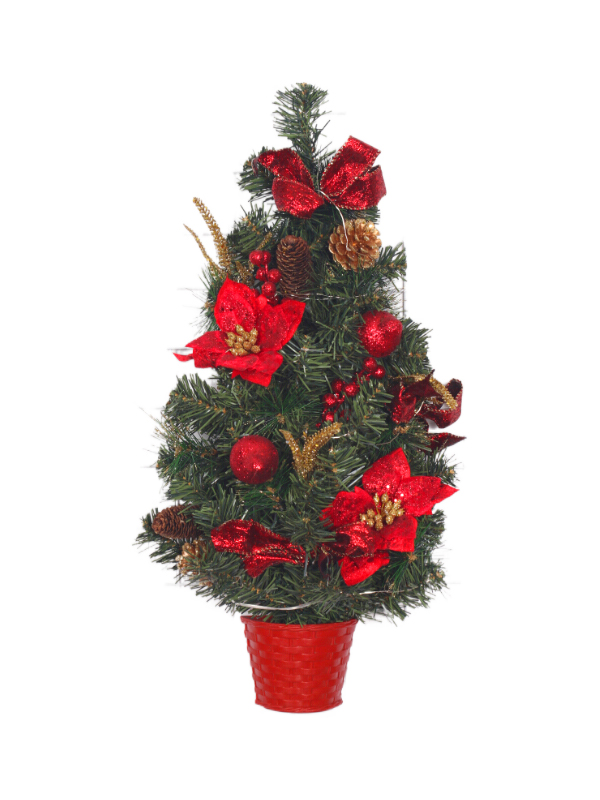
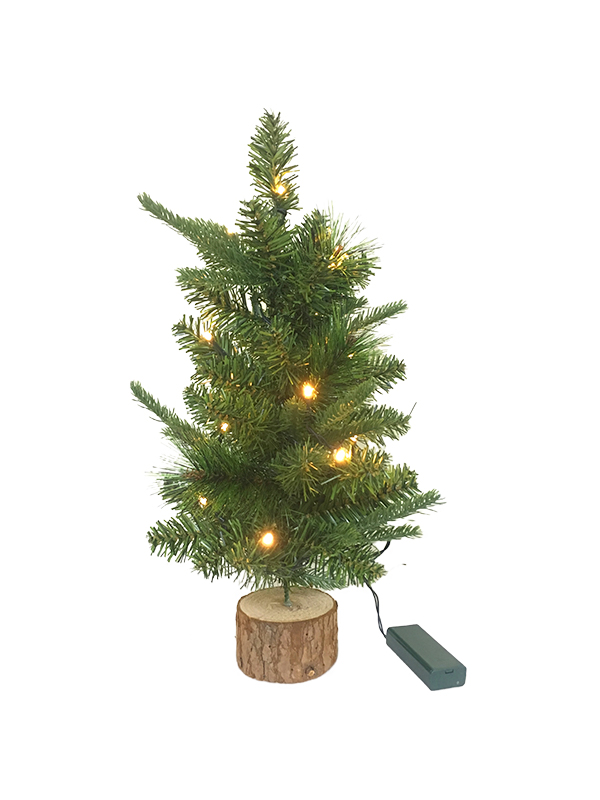
인공 크리스마스 트리 장기적인 투자이며 올바른 관리를 통해 고품질의 나무를 지속할 수 있습니다. 10~25년 이상 . 중요한 것은 올바르게 설정하는 방법을 아는 것입니다. 매 시즌 완전하고 신선해 보이도록 유지하며 적절하게 보관하여 내년에도 변함없이 좋은 모습으로 나올 수 있도록 합니다.
실제 나무와 달리 인공 나무에는 물이나 햇빛이 필요하지 않지만 주의가 필요합니다. 먼지, 구부러진 가지, 색이 바래고 보관 상태가 좋지 않은 것은 인공 나무가 예상보다 빨리 악화되는 주된 이유입니다.
인공 나무를 올바른 방법으로 설치하기
시즌이 시작될 때 나무를 조립하는 방법은 나무의 모양과 지속 시간에 직접적인 영향을 미칩니다. 성급하게 설정하면 프레임이 구부러지고 가지가 얇아지며 경첩이 불필요하게 마모됩니다.
나뭇가지를 적절하게 부풀리기
대부분의 인공 나무는 보관 중에 압축되는 힌지형 또는 후크형 가지 끝을 사용합니다. 각 가지 끝을 분리하고 모양을 만드는 플러핑은 완전하고 자연스러운 모습을 위한 가장 중요한 단계입니다.
- 다음부터 시작하세요. 하단 섹션 및 위쪽으로 작업 , 섹션별로.
- 개별 팁을 분리하기 전에 각 가지를 수평으로 펼치십시오.
- 자연스러운 성장을 모방하기 위해 팁을 다양한 각도(일부 위, 일부 아래)로 구부립니다.
- 600~800개의 가지 끝이 있는 6피트 나무는 45~90분 철저히 보풀을 일으키다. 서두르지 마세요.
프레임과 스탠드 확인하기
장식하기 전에 중앙 기둥 부분이 단단히 고정되어 있고 스탠드 다리가 완전히 확장되어 수평인지 확인하십시오. 흔들리는 바닥은 나무에 조명과 장식품이 장착되면 훨씬 더 위험해집니다. 나무에 나사형 스탠드가 함께 제공된 경우 무게를 추가하기 전에 모든 볼트를 조이세요.
시즌 동안 인공 나무를 깨끗하게 유지하기
인공 나무는 특히 4~8주 동안 전시할 때 먼지를 빠르게 수집합니다. 먼지가 쌓이면 색상이 흐려지고, 알레르기가 유발되며, 나무가 밋밋하고 생명이 없어 보일 수 있습니다. 정기적이고 가벼운 유지 관리로 휴일 내내 생기 넘치는 모습을 유지할 수 있습니다.
주간 먼지 제거
- 사용 브러시가 부착된 휴대용 진공청소기 낮은 흡입력으로 나뭇가지의 먼지를 부드럽게 제거합니다.
- 극세사 먼지떨이 또는 압축 공기는 빽빽하게 들어찬 가지 사이의 좁은 지점에 도달할 수 있습니다.
- 나무를 장식하는 동안에는 습식 청소를 피하세요. 습기로 인해 조명과 배선이 손상될 수 있습니다.
얼룩이나 잔해 부분 청소
나무에 무언가를 쏟았거나 끈적한 잔여물이 쌓인 경우(양초, 스프레이 또는 근처 음식에서), 물티슈로 부분을 청소하세요. 젖은 천과 소량의 순한 주방세제 . 문지르지 말고 얼룩을 지우고 장식을 다시 추가하기 전에 해당 부위를 완전히 자연 건조시키십시오.
유지 관리를 줄이는 배치 팁
- 나무를 난방용 통풍구 및 벽난로에서 멀리 두십시오. 열로 인해 PVC 바늘이 건조해지고 먼지가 쌓이게 됩니다.
- 원인이 될 수 있는 직사광선을 피하세요. 단일 시즌 내 변색 품질이 낮은 나무에.
- 아래에 나무 스커트를 놓아 떨어진 잔해를 잡아 청소를 단순화하세요.
조명이 설치된 인공 나무 관리하기
미리 조명이 설치된 나무는 편리함을 더해주지만 조명이 가지에 영구적으로 연결되어 있기 때문에 특별한 주의가 필요합니다. 전기 문제는 사람들이 나무를 교체해야 하는 가장 일반적인 이유입니다.
시즌 전
- 죽은 부분을 조기에 식별하려면 전체 나무를 조립하기 전에 각 부분을 개별적으로 연결하십시오.
- 확인하세요 닳은 전선, 금이 간 소켓 또는 불에 탄 전구 나무가 올라가기 전에.
- 나무와 함께 제공된 교체 전구를 사용하여 손상된 전구를 교체하십시오. 일치하지 않는 전구로 인해 전체 가닥이 고장날 수 있습니다.
시즌 중
- 집을 나갈 때나 잠자리에 들 때 나무등을 꺼주세요 — 이는 전구 수명을 크게 연장하고 화재 위험을 줄입니다.
- 사용 surge protector or timer to prevent power fluctuations from damaging the wiring.
- 추가 조명 가닥을 내장 배선 위에 직접 늘어뜨리지 마십시오. 과열되어 두 조명 세트가 모두 손상될 수 있습니다.
인공 크리스마스 트리를 올바르게 보관하는 방법
불쌍한 저장은 인공 나무를 가장 빨리 노화시키는 것입니다. 압축, 습기 및 해충은 한 번의 비수기에도 돌이킬 수 없는 손상을 일으킬 수 있습니다. 연중 내내 투자를 보호하려면 다음 단계를 따르십시오.
분해 및 포장
- 나뭇가지 끝이 구부러지지 않도록 모든 장식과 조명(불이 켜지지 않은 나무의 경우)을 조심스럽게 제거합니다.
- 가지를 부드럽게 뒤로 접으십시오. 강제로 가지를 누르지 마십시오. 자연스러운 힌지 방향을 따르세요.
- 상단부터 섹션을 분해하고 아직 표시되지 않은 경우 각 섹션에 라벨을 붙입니다.
- 사전 조명이 설치된 나무의 경우 와이어 부분을 평평하게 뭉개기보다는 느슨하게 감싸십시오.
올바른 저장 용기 선택
원래 상자는 장기간 보관에 이상적인 경우가 거의 없습니다. 방수 기능이 없으며 시간이 지나면 분해됩니다. 더 나은 대안은 다음과 같습니다.
- 직립형 나무 보관 가방 바퀴 포함 - 나무의 모양을 보존하고 운반이 용이합니다.
- 뚜껑이 있는 단단한 플라스틱 보관함 — 판지보다 습기와 해충으로부터 더 잘 보호합니다.
- 진공 압축 백 — 작은 나무에 적합하지만 수년에 걸쳐 가지 모양이 왜곡될 수 있습니다.
보관 환경
- 에 보관하세요 서늘하고 건조한 곳 — 여름에 38°C(100°F)를 초과하는 다락방에서는 PVC 가지가 휘어질 수 있습니다.
- 실내 온도 조절 장치가 없는 습한 지하실이나 차고를 피하세요. 습기는 금속 프레임에 곰팡이와 녹을 발생시킵니다.
- 자연적으로 해충을 억제하려면 삼나무 블록이나 라벤더 봉지를 보관 가방에 넣으세요.
재료 유형별 인공 나무 관리
모든 인공 나무가 같은 방식으로 만들어지는 것은 아닙니다. PVC, PE(폴리에틸렌) 및 무리를 짓는 나무는 각각 약간씩 다른 관리 요구 사항을 가지고 있습니다. 나무의 재질을 이해하면 나무를 더욱 효과적으로 유지하는 데 도움이 됩니다.
일반적인 인공 나무 재료 및 관리 요구 사항 비교 | 소재 | 외관 | 내구성 | 키 관리 팁 |
| PVC | 편평하고 균일한 바늘 | 5~10년 | 열과 직사광선을 피하십시오. 정기적으로 먼지를 털어내다 |
| PE(폴리에틸렌) | 사실적으로 성형된 바늘 | 15~25세 | 젖은 천으로 닦으십시오. 가능하면 세워서 보관하세요 |
| 몰려들다 | 눈이 쌓인 마무리 | 다양함(코팅 마모) | 절대 진공청소기나 습식 청소를 하지 마세요. ; 무리를 유지하기 위해 부드럽게 다루십시오. |
| 혼합 PVC/PE | 반현실적 | 10~15년 | 최상의 결과를 얻으려면 PE 관리 지침을 따르십시오. |
오래된 인공 나무를 되살리는 방법
인공 나무가 희박하거나 색이 바래거나 모양이 기형적으로 보이기 시작했다면 아직 교체할 필요가 없을 수도 있습니다. 몇 가지 목표 수정을 통해 많은 나무를 크게 개선할 수 있습니다.
희박하거나 평면적으로 보이는 섹션 수정
- 추가 클립온 브랜치 필러 세트 — 온라인에서 널리 사용 가능 — 눈에 띄게 얇은 부분을 채우는 데 사용됩니다.
- 와이어 분기 프레임을 손으로 다시 모양으로 구부립니다. 대부분의 PVC 나무는 내부적으로 가단성 와이어를 사용합니다.
- 나무를 평소 위치에서 90° 회전시켜 이전에 숨겨졌던 희박한 영역이 주 시야각에서 멀어지도록 합니다.
주소 색 바램
- 무리를 이룬 나무는 비용이 많이 드는 스프레이 무리 키트를 사용하여 집에서 다시 무리를 만들 수 있습니다. $15~$40 공예품 상점에서 구입할 수 있습니다.
- 끝 부분이 희미해진 녹색 나무의 경우 더 어두운 장식 클러스터와 더 풍부한 톤의 화환을 사용하면 색상 손실을 시각적으로 보완할 수 있습니다.
실제로 트리를 교체해야 하는 시기
중앙 기둥이 구부러졌거나, 스탠드가 부러졌거나, 전구 교체에도 불구하고 사전 조명이 설치된 나무의 조명이 20~30% 이상 지속적으로 고장나는 경우, 계속 수리하는 것보다 교체하는 것이 더 비용 효율적일 수 있습니다.
단계별 퀵케어 체크리스트
이 체크리스트를 사용하여 설치부터 보관까지 인공 나무 유지 관리에 대해 자세히 알아보세요.
설정(시즌 시작)
- 조립하기 전에 모든 섹션에 손상이 있는지 검사하십시오.
- 섹션별로 사전 조명 조명을 테스트하세요.
- 모든 가지를 아래에서 위로 완전히 솜털 모양으로 만듭니다.
- 장식하기 전에 스탠드의 수평을 맞추세요.
시즌 중
- 일주일에 한 번씩 가볍게 먼지를 털어주세요
- 사람이 없을 때는 조명을 끄세요.
- 열원과 직사광선을 피해 보관하세요
- 젖은 천으로 즉시 깨끗이 흘린 부분을 닦아냅니다.
게시 중단 및 보관
- 가지 끝 부분을 보호하기 위해 장식을 조심스럽게 제거하십시오.
- 경첩 방향에 따라 가지를 부드럽게 아래로 접습니다.
- 에 보관하세요 서늘하고 건조한 위치 밀봉된 용기나 가방에
- 추가 cedar or lavender to deter pests